Rendering Newark-on-Trent
Matching Render Texture | Realistic Repair Expectations
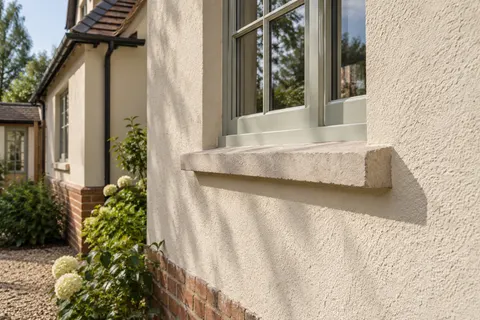
A repair can be technically suitable and still remain visible. The surrounding render may have weathered, been painted or been applied with an unknown material and technique. Matching the colour is only part of the task; grain, relief and the shape of the repaired area also affect what the eye notices. A useful proposal explains those limits before the owner expects a small repair to produce the appearance of a completely renewed elevation.

On this page
Identify what is actually being matched
Begin with the retained surface, not a general colour description. Is it a fine textured coating, a scraped mineral finish, a traditional hand-worked render or a rougher aggregate surface? Existing product records can help, but they may not explain later paint or repairs. The inspecting person needs to establish what is known and what remains uncertain about the material now visible.
The silicone, monocouche and lime pages describe different finish families. Similar colours across those families do not make their textures interchangeable. A material selected only because its shade seems close may still create an obvious patch when light crosses the wall. Compatibility with the background and retained system must come before a purely visual match.
Record the repair location on a full elevation image. A patch beside a corner or opening can read differently from the same texture change in the middle of a large panel. The proposed boundary is therefore part of the appearance discussion. It should also follow a suitable technical repair extent, rather than preserving defective material solely to keep the patch small.
Allow for age and previous decoration
A retained wall has been exposed to conditions that a new sample has not. Its colour may have altered, and accumulated surface deposits can affect how it looks. Previous coatings may also have softened or changed its texture. Even the original product reference may not reproduce the current appearance exactly. That should be explained rather than hidden behind a promise of using the same nominal colour.
Cleaning a test area can help distinguish some surface contamination from the underlying finish, where an appropriate method is selected. It should not be assumed that aggressive cleaning will restore the original appearance harmlessly. The material and condition need assessment. A cleaned patch can itself create a visual difference from the surrounding elevation if only a small area is treated.
If recolouring is proposed after repairs, consider what it can realistically unify. A compatible coating may bring the colour closer while leaving differences in relief visible. It should not be sold as a way to erase every change in texture. The proposal needs to identify whether the owner is accepting a local patch, a larger decorated area or a renewed finish across a defined panel.
Use a representative trial in representative light
A trial should show the intended material and method on an appropriate background. Its purpose is to support a decision, not merely to demonstrate a sample under the most flattering conditions. View it close up and from the normal distance, and compare diffuse light with a more oblique light where possible. Surface relief can be difficult to see in a flat photograph but obvious on the actual wall.
The position of the trial matters. A sample hidden under deep shade may not represent a patch on a sunlit upper elevation. Equally, a finish judged only in harsh low sunlight may be viewed differently for much of the day. The owner should understand the range of likely appearance, rather than expect one snapshot to predict every condition.
Keep the approved trial and material reference documented. If the product or method changes, review whether the trial still represents the proposal. A vague instruction to match existing leaves room for very different interpretations when the original surface is irregular. The record should say what was compared and what limitation was accepted, without turning the sample into an unrealistic guarantee.
| Option | What is agreed |
|---|---|
| Local compatible repair | Necessary defect treatment and accepted visibility |
| Repair plus wider coating | Compatible colour treatment with texture limits |
| Defined panel renewal | Larger finish boundary and additional work |
| Retained original material | Reasons to avoid unnecessary replacement |
Distinguish the necessary repair from an optional larger finish
The render repair guide explains how defects and sound boundaries are assessed. That defines the technical work. The owner may then choose a larger finish area to reduce the visual interruption. Those decisions should be priced and described separately so the additional area is not falsely presented as defective simply because it is being treated for appearance.
Corners, changes in plane and architectural features can provide sensible visual limits, subject to the specification. A whole defined wall may be an option where a central patch would be conspicuous. It is not automatically required, and it increases the scope. The contractor should explain the likely benefits and remaining limitations so the owner can make a proportionate decision.
On a traditional building, replacing sound original material solely to create a uniform new look may be inappropriate. The value and condition of retained fabric should be considered with suitable advice where needed. An honest visible repair can sometimes be preferable to unnecessary removal. The coating-removal article discusses why stripping is not a neutral step with no consequences for the masonry beneath it.

Keep adjoining details and future maintenance in view
A larger finish area may affect trims, sills and connections to retained materials. Those details need suitable treatment and, where necessary, relevant approvals. A visual solution that ignores the functioning of an edge or opening is incomplete. The appearance decision should remain connected to the building rather than being judged as an isolated rectangular sample.
If fittings are removed, record how the surrounding surface is repaired and how the components are reinstated. Later replacement of a pipe or sign may expose material that was previously concealed. Good records make those future changes easier to assess. The rainwater coordination guide considers one common source of damage and the order of related repairs.
At handover, photograph the finished area and retain the material information with the maintenance record. The Rendering Newark-on-Trent homepage links repair, coating and replacement as distinct services. The useful promise is a suitable, clearly described repair with an agreed appearance expectation—not an invisible result asserted before the retained surface and lighting have been examined.
Put alternative extents side by side
Where appearance is the deciding issue, compare two clearly described options. One may retain the sound surrounding finish and accept a visible local repair. Another may include the same necessary repair plus a wider compatible finish treatment across a defined panel. Neither description needs to imply that the larger option is technically essential if its purpose is primarily visual.
For each option, record the retained material, proposed boundary, sample expectation and additional work around fittings or edges. The owner can then compare the appearance benefit against the extra scope. This is more useful than presenting a single vague price for making the wall match, because that phrase could refer to very different extents.
The comparison also provides a fair reference at inspection. A local patch accepted with a realistic visibility limitation should not later be judged against an unagreed full-elevation renewal. Conversely, a contractor who priced the larger defined finish area should not quietly deliver only the smaller repair. The written extent connects the appearance discussion to the work actually purchased.
Common questions
Why might the original colour reference fail to match today's wall?
Weathering, deposits and later coatings can change the retained appearance. Texture and application also matter. The original reference is useful evidence, but a current representative trial is needed to discuss the likely result. Do not treat a matching code as a promise that a new patch will disappear.
Can the owner choose a larger finish area mainly for appearance?
Yes, where the proposal is suitable and any necessary approvals are addressed. Describe that additional area honestly as an appearance choice rather than claiming all surrounding material is defective. Keep its cost and extent distinct from the necessary repair so the comparison and final inspection use the same agreed scope.
See housing and planning information for Newark-on-Trent and nearby places, including the source and geography behind each figure.