Rendering Newark-on-Trent
Render Recolouring Newark-on-Trent | Compatible Coatings
A sound rendered wall may not need to be stripped simply because its colour no longer suits the building. Recolouring can be a distinct maintenance or appearance project, provided the existing layers and proposed coating are compatible. Render respraying in Newark-on-Trent should therefore start with the background and the intended finish, with the application method chosen to suit the material, details and surroundings.

On this page
Confirm what the colour change is intended to achieve
Some projects aim to refresh a faded surface; others change the relationship between render and retained brick, windows or a newer extension. Define that aim before deciding the extent. The front elevation alone may be appropriate, or a broader group of faces may need to be considered together. The house-rendering guide helps organise that wider appearance decision without assuming replacement is required.
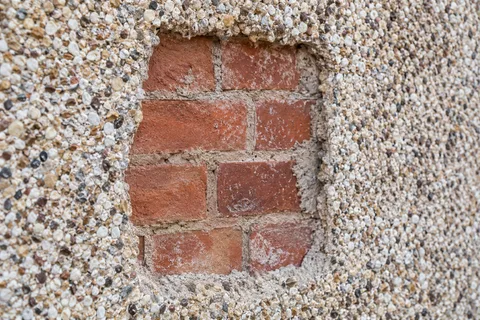
A new coating usually follows the relief underneath. It will not turn coarse pebbledash into a flat plaster-like surface or make every old patch disappear. If texture is the main concern, compare a coating proposal with a suitable replacement finish as different projects. The owner should know what the decoration can change and what will remain visible after the colour is unified.
Where a listed or otherwise designated property is involved, check the proposed alteration against the actual requirements. General familiarity with a traditional colour is not a permission decision. Keep relevant approvals and specified material details together so a later product or shade change is reviewed appropriately. The local heritage context is a reason to check the address, not a blanket instruction applying identically across Newark.
- Clean Washed down, with algae and mould treated and left to work.
- Repair first Cracks and hollow patches are repaired before any coating.
- Prime or stabilise Where the coating maker requires it on that surface.
- Coating Usually two coats of a breathable masonry or silicone coating.
The usual order of work. The survey and the chosen products decide the actual steps.
Existing render and previous paint must support the proposal
The survey should consider the attachment and condition of each retained layer. Old paint can be weak even where the render beneath it is sound, and detached render can remain visually intact until inspected. A new coating depends on a suitable background; it should not be used to conceal an unresolved failure. The quotation needs to state the preparation and any investigation on which the proposal relies.
Render repairs may be required before decoration. Their material and texture should be considered alongside the coating, including the possibility that repaired areas respond differently from the retained surface. If widespread defects make recolouring unsuitable, that finding should lead to a revised proposal before the coating stage proceeds. It is better to explain the change than to keep applying a decorative treatment simply because it was the original enquiry.
Where the existing finish is lime-based, compatible future treatment is particularly important. A generic exterior paint should not be assumed suitable merely because it can be applied to masonry. Product records and appropriate technical advice can help establish the options. If the original material is unknown, identify what needs to be assessed rather than filling that gap with an unsupported product claim.
Prepare the wall and address recurrent marking
Cleaning should suit the surface and contamination, with a suitable trial where necessary. Aggressive washing or an inappropriate chemical can damage a finish or adjacent material. The contractor should explain the method and the required condition before coating. The timing of the next stage follows the selected product and actual background, not a universal waiting period borrowed from a different wall.
If a mark repeatedly appears below a gutter, sill or pipe, investigate that relationship before treating it as a purely decorative issue. The rainwater-repair article explains the coordination of related work. A fresh colour cannot be expected to correct an established concentrated leak. The proposal should distinguish repairing the source, restoring damaged material and changing the appearance.
The same care applies at the wall base and around functional openings. Preparation must not obscure something that needs assessment or needs to remain accessible. Where other fittings are removed, identify who reinstates them and how the surrounding finish is treated. A decorative quotation should not leave important details outside the scope simply because they occupy little of the measured area.
| Aim or condition | Relevant consideration |
|---|---|
| Different colour | Compatible coating and representative sample |
| Unwanted coarse texture | Coating usually retains surface relief |
| Detached render | Repair before decoration |
| Recurring local stain | Investigate the source before recoating |
Choose the colour and the application method separately
A representative sample helps assess the coating against retained materials and the normal light. A courtyard may be viewed close up and predominantly in shade, while an upper frontage may receive strong sunlight. The courtyard finish article considers those appearance conditions. Record the actual product and colour reference rather than using an informal description that can be interpreted in several ways.
Spray application is a method, not the specification itself. The contractor should determine what technique is appropriate for the coating, surface and surrounding details. Protection must account for glazing, neighbouring property, vehicles and normal use. The owner needs a clear description of the finished work and safeguards, without assuming that every small return or intricate detail should be treated with the same equipment.
Where only part of a facade is recoloured, agree how the boundary will look. A continuous face can make a transition more visible than a corner or change in plane. If matching existing material is the intention, the texture and patch article explains why colour alone does not settle the result. The coating may unify tone while leaving an underlying repair relief apparent.

Keep a practical record for the next maintenance cycle
At handover, retain the coating and preparation product details, colour reference and relevant care instructions. Identify repaired areas and save photographs that show their location. A later contractor can then assess cleaning, patching or another colour change with knowledge of the existing layers. That is more useful than trying to identify a weathered product by eye several years later.
The maintenance-record guide provides a simple structure. Include any relevant advice about recurring marks and related fittings, but do not turn it into a promise that the surface never needs care. Gutters, seals and other exterior components still influence the condition of the finished wall. Repeated local damage should prompt review of the cause rather than automatic recoating.
For a wall that needs more than decoration, wall rendering or pebbledash removal may be relevant after assessment. The Rendering Newark-on-Trent homepage keeps those choices separate. Recolouring is most useful when its purpose is clear: changing or renewing the appearance of a suitable surface, with necessary repairs and compatible materials identified beforehand rather than hidden beneath the new shade.
Common questions
Is spraying the specification or the application method?
It is an application method. The proposed coating, preparation and background suitability still need to be defined. The contractor should select an appropriate technique for the product and surroundings rather than treating spray equipment as the complete service description.
Can colour unify repaired and retained areas?
It may reduce tonal differences where a suitable coating is specified, but changes in relief can remain visible. Inspect a representative repair sample and agree the decorated extent rather than expecting colour alone to flatten every patch.
See housing and planning information for Newark-on-Trent and nearby places, including the source and geography behind each figure.